










All projects
4 min read
Ukraine’s internet provider map in Diia
Ministry of Digital Transformation

Ukraine’s internet provider map in Diia

AnalysisResearchDesignDevelopment

About the project

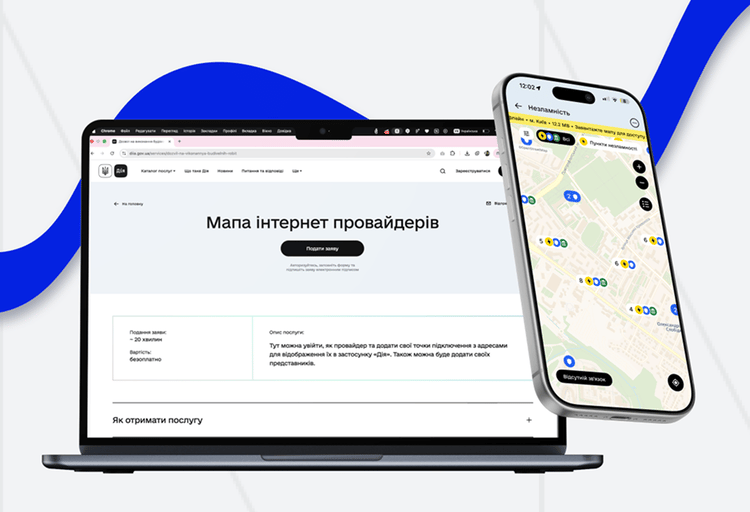
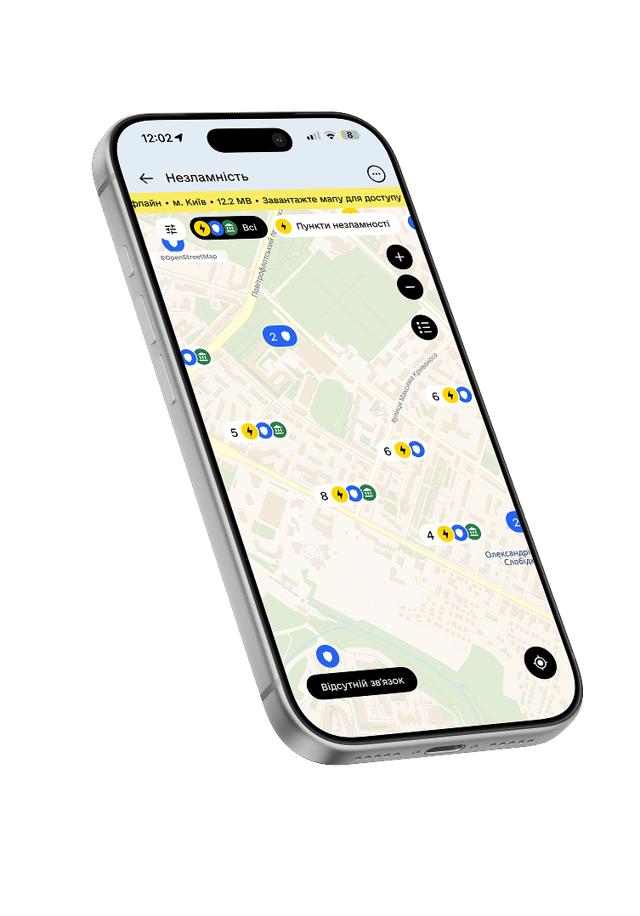
The xPON Map in Diia is a service that helps Ukrainians stay connected even during blackouts. With it, users can find a provider in their building that uses xPON technology in just a few clicks — and see how long the network is expected to run without power.


The project has also become a tool for working with internet providers. We built a mechanism for collecting and verifying data that gives the government a real picture of coverage across the country. This makes it possible to spot areas where connectivity needs strengthening and encourages companies to improve their services for shared digital resilience.

View the project page

The challenge

  • No single source of address data
  • Low-quality, unstructured addresses
  • Geocoding data that has no address
  • One shared geopoint for all providers at the same address

What we did

Technologies

LiquioLiquio (low-code platform)
Used for:
adding provider coverage, processing feedback, and workflows for the Ministry of Digital Transformation
Node.jsNode.js
ReactReact
PostgreSQLPostgreSQL
Express.jsExpress.js
Geocoding serviceGeocoding service

Geocoding

Invincibility Map
in the Diia app
How does it work?
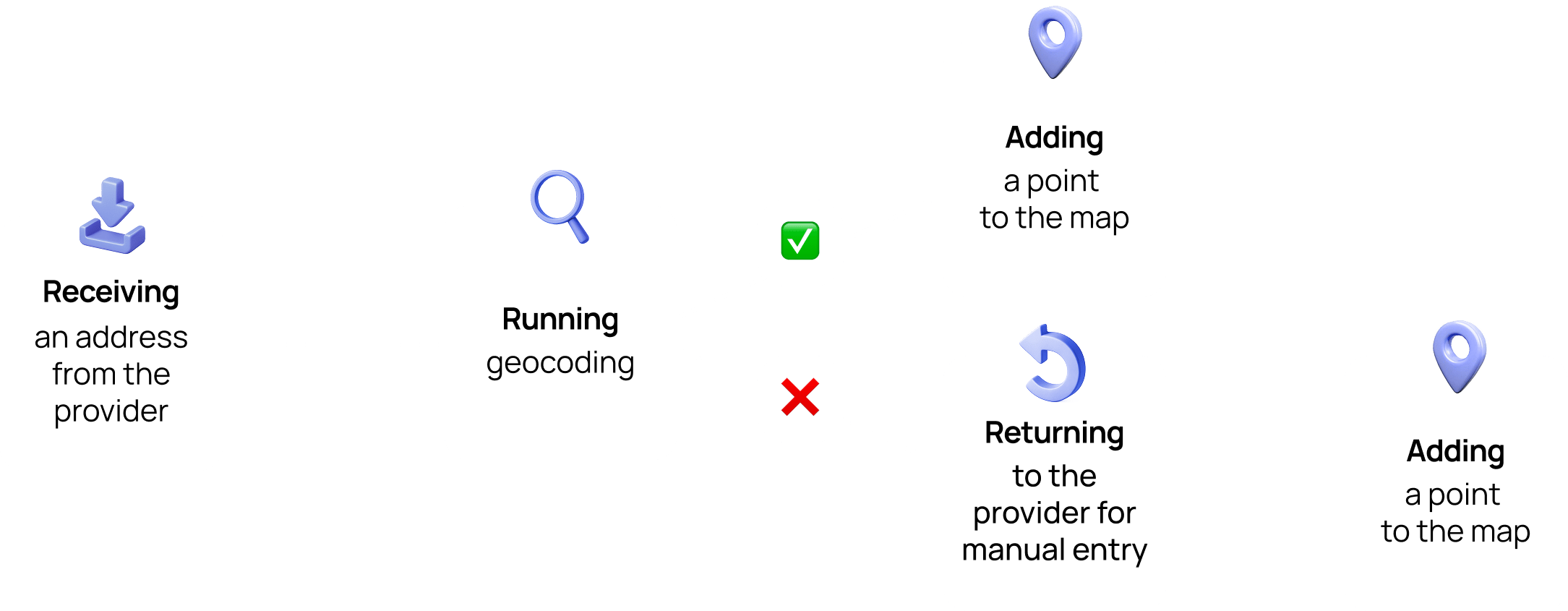
The system uses a hybrid model: most addresses are geocoded automatically, while for tricky cases in small settlements operators can add and edit points manually. We also explored integrating with the state address register ЄДРА, but it isn’t integrated yet — we focused instead on verifying data directly with service providers.
ChallengeSolution
There are many providers, and each stores data in its own formats and systems — from text lists and Excel spreadsheets to complex geographic polygons and geopoints. To unify them, we deployed an internal address geocoding service on the Liquio platform. This lets requests be processed securely right inside the portal, with no dependence on external API limits and fast processing of large geodata sets.
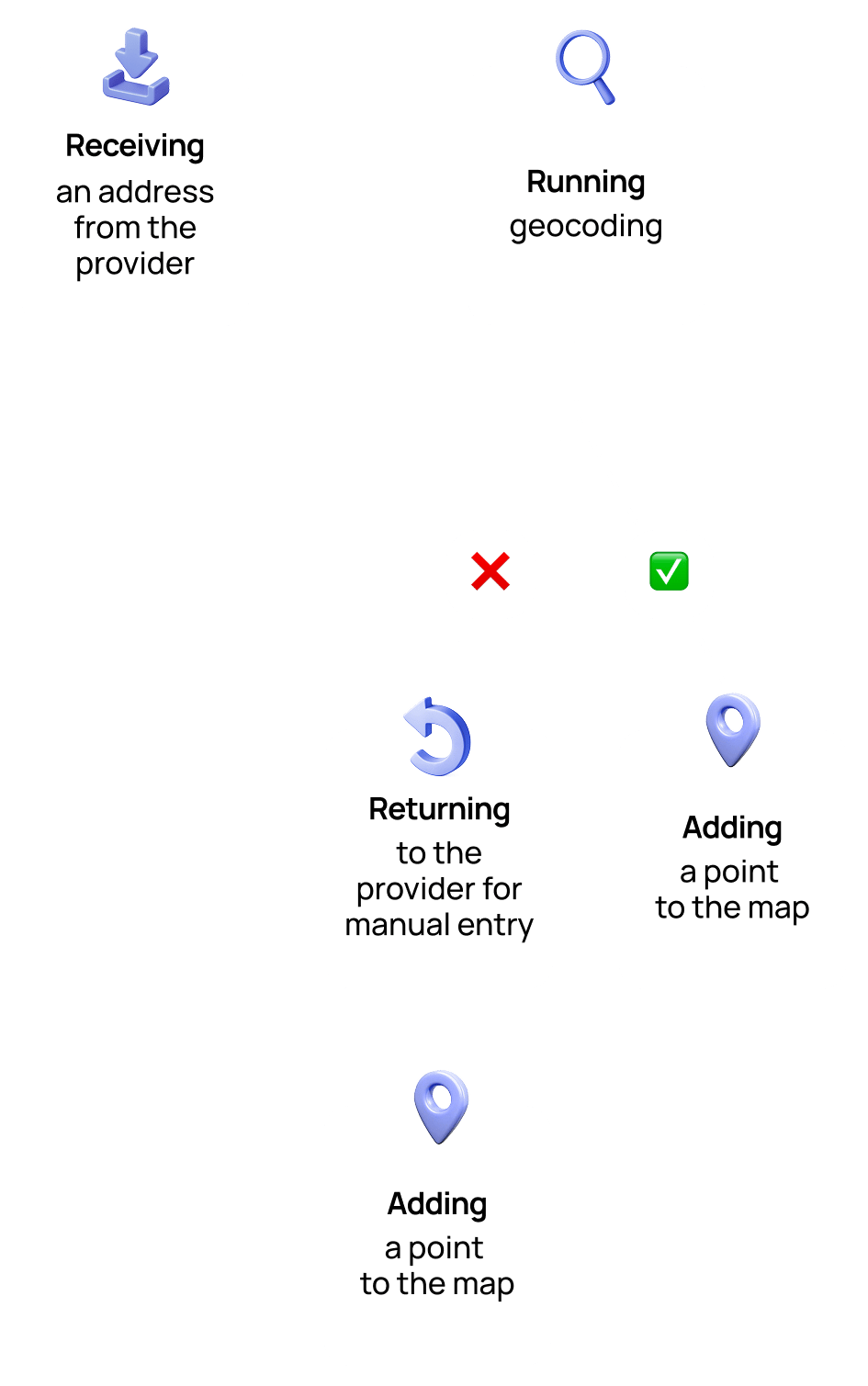
Process diagram: the provider submits an address → the address is geocoded → if successful, the point is added to the map; if not, it’s returned to the provider for manual entry and then added to the mapProcess diagram: the provider submits an address → the address is geocoded → if successful, the point is added to the map; if not, it’s returned to the provider for manual entry and then added to the map
Read more about
geocoding in our article
Coming soon
Address geocoding

Address geocoding

GeocodingNominatim

What our clients say

“This was my first time working with your team, so at the start I had some reservations — we didn’t know each other yet.

What I liked most along the way was the quality of communication. From the very first stages, the team presented a roadmap, kept us regularly updated on progress and potential risks, and flagged important points while proposing optimal solutions.

I’d especially like to mention the approach of showing the service’s visuals while it was still in development. It gave a clear picture of what the service would look like and let us work on the copy ahead of time.

Alina kept us informed about every update and change. Status meetings were clear, structured and transparent.

I’d also like to highlight how open and communicative the whole team was — everyone was reachable, responded to requests promptly and kept the collaboration constructive.

As a result, the service was delivered on the agreed schedule and fully meets our initial expectations. Thank you to the team for a professional and comfortable collaboration!”

The result

The xPON Map in Diia helps Ukrainians stay connected even during blackouts. With it, users can find a provider in their building that uses xPON technology in just a few clicks — and see how long the network is expected to run without power.

Take this project with you

Take this project with you

Save it as a handy PDF
to reread later or share with your team

Was this article helpful?

Turn ideas and complex challenges into working solutions

Discuss your product’s challenges directly with our team of experts.


Leave your contact details and a short question — we’ll get back to you with concrete next steps.

More projects and articles

Digital solutions already working for people. Every case is a story of turning complex processes into simple, clear services

Coming soon
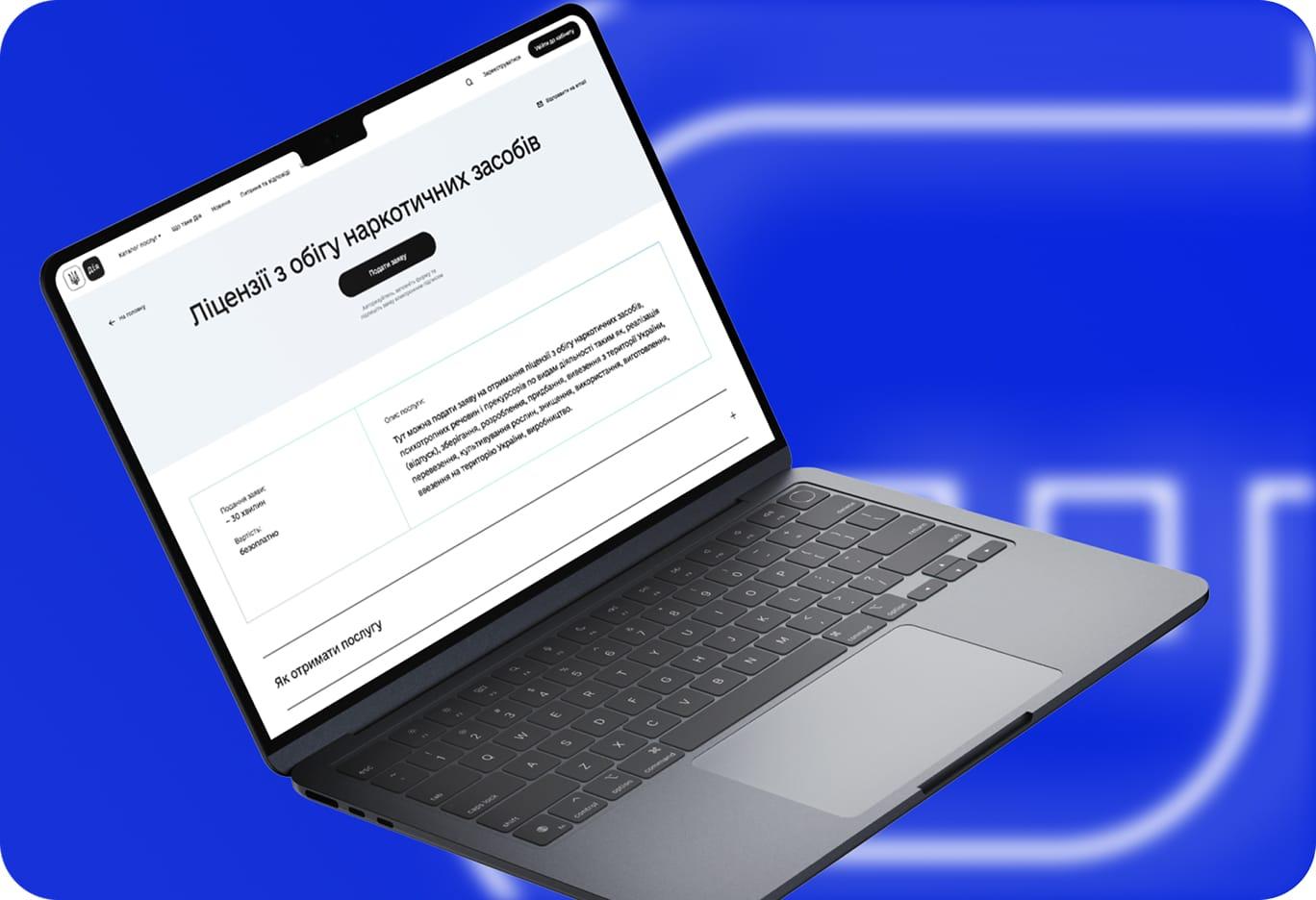
Narcotic drug licensing in Diia

Narcotic drug licensing in Diia

AnalysisDevelopment
Coming soon
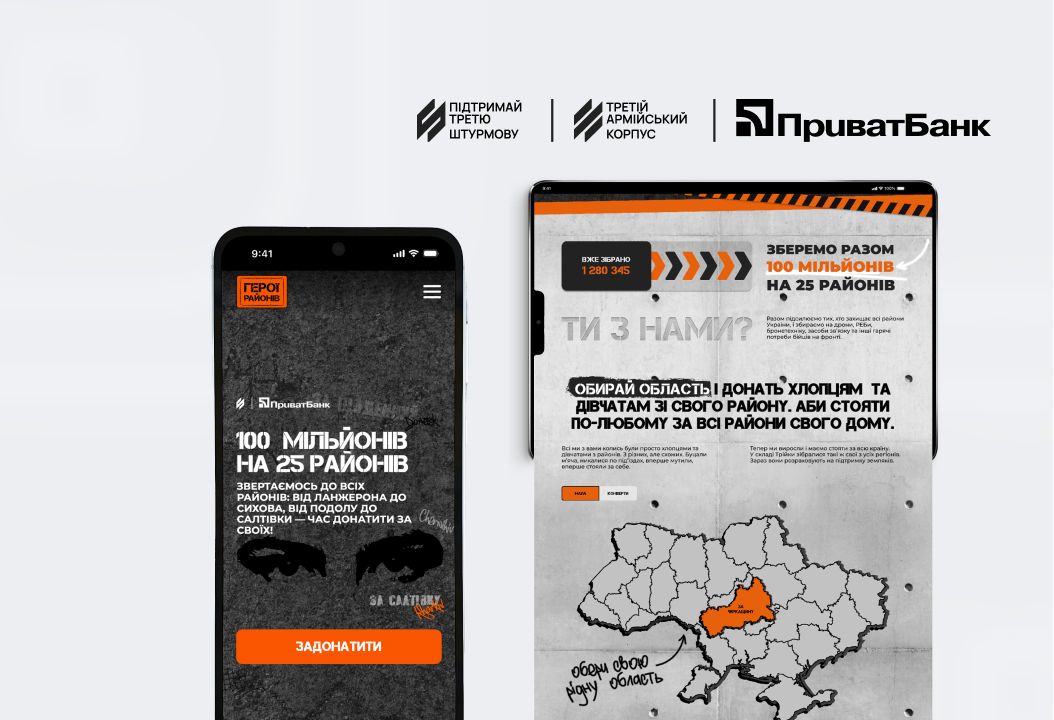
Building the “Heroes of the Districts” crowdfunding platform

Building the “Heroes of the Districts” crowdfunding platform

DesignDevelopment
Coming soon
Services for mothers in Diia

Services for mothers in Diia

AnalysisUX designDevelopment
Coming soon
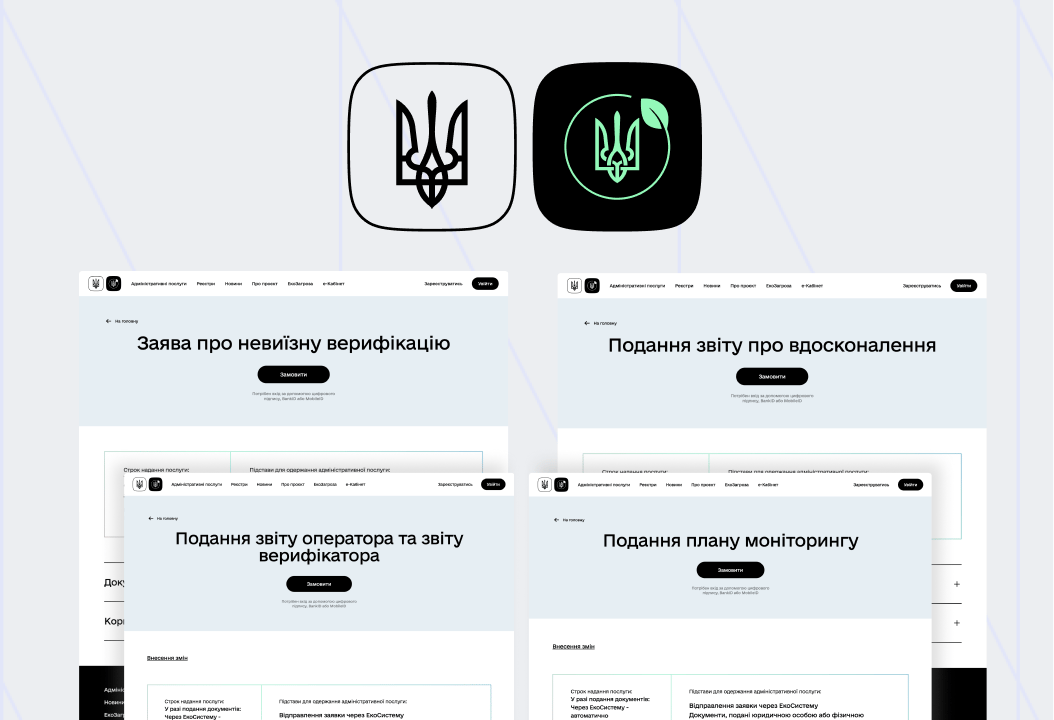
EcoSystem: greenhouse gas emissions control

EcoSystem: greenhouse gas emissions control

AnalysisDevelopment
Coming soon
NGO registration in Diia

NGO registration in Diia

AnalysisDevelopment
Coming soon
Services for everyone: why WCAG is becoming mandatory for Ukrainian digital services

Services for everyone: why WCAG is becoming mandatory for Ukrainian digital services

WCAGInclusivity
Coming soon
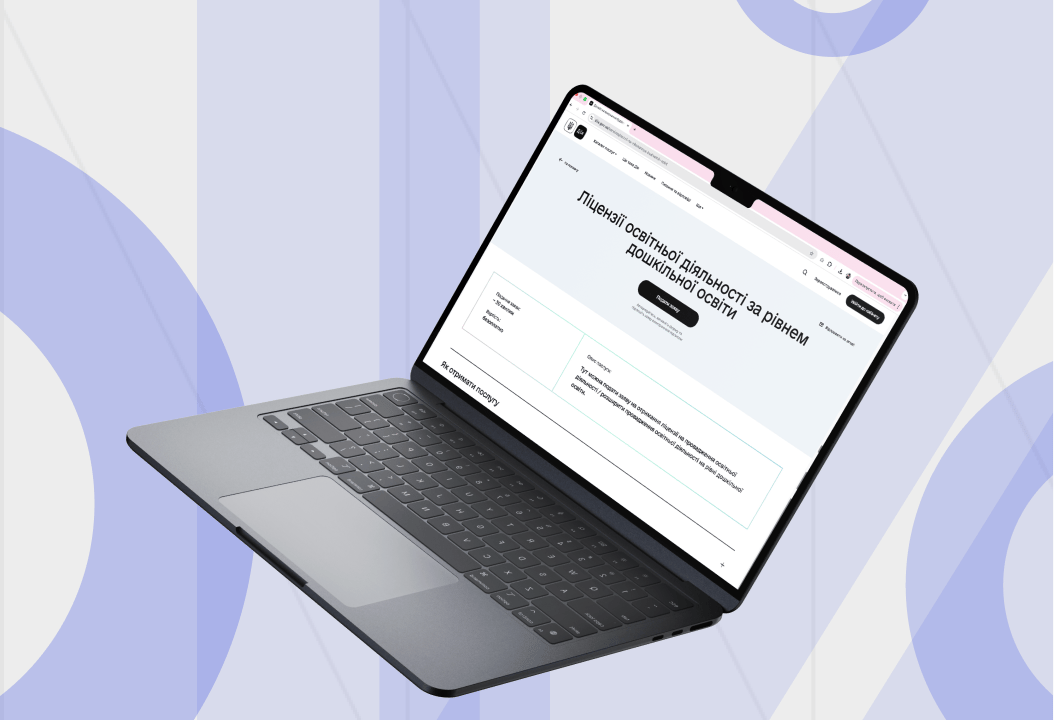
Preschool education licensing in Diia

Preschool education licensing in Diia

AnalysisUX design
Coming soon
Marriage application in Diia

Marriage application in Diia

AnalysisUX designDevelopment